Steam
- Heat boils water.
- Steam pushes pistons.
- Rods turn the driving wheels.
Des Plaines Rail / Exhibit 01
Count a giant’s driving wheels. See what makes a train float. Follow the tracks from 1804 to today.
01 / The timeline
On a nine-mile tramroad in Wales, Richard Trevithick’s locomotive hauled ten tons of iron. Before steam, horses did work like this on tramroads.
Locomotion No. 1 took part in the opening of the Stockton & Darlington Railway. The line connected coal country to markets.
On May 10, the Central Pacific and Union Pacific met at Promontory Summit. Thousands of Chinese workers helped build the Central Pacific line.
Britain’s streamlined Mallard reached 126 mph during a test run. That was a record run, not the speed of a scheduled trip.
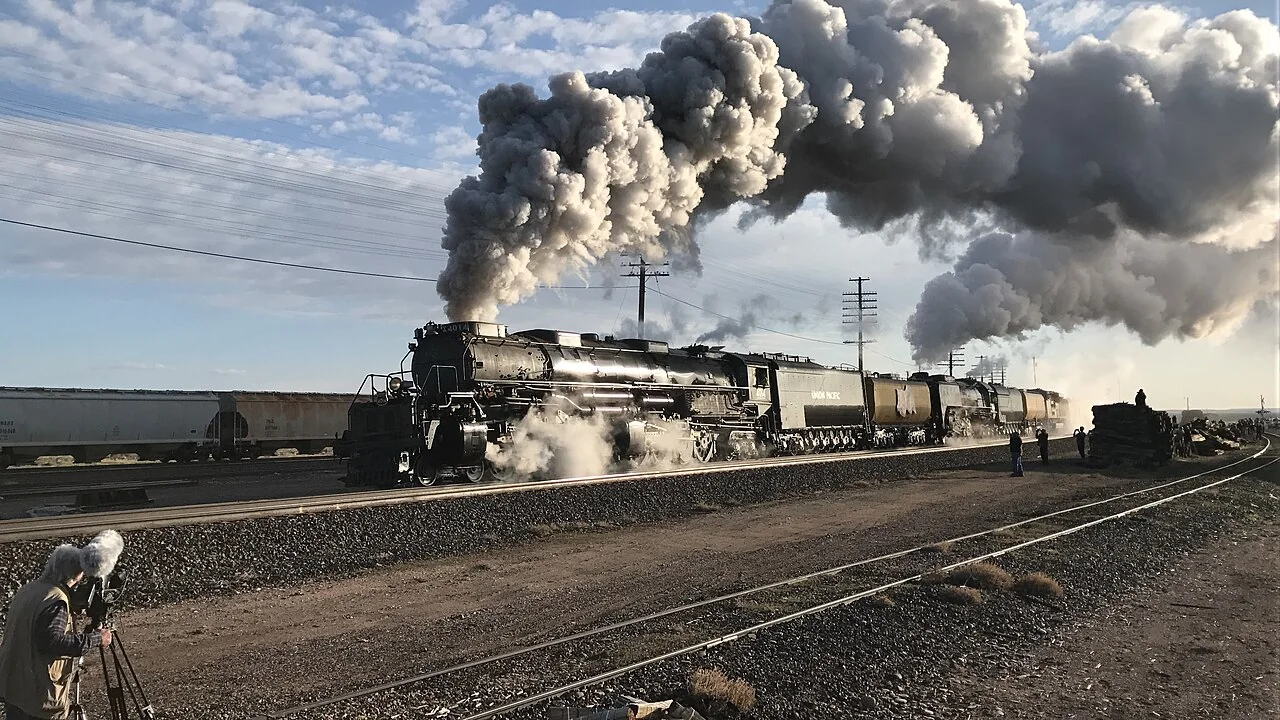
Union Pacific received its first Big Boys, built to pull heavy trains through the mountains. A hinged frame helped the long engine take curves.
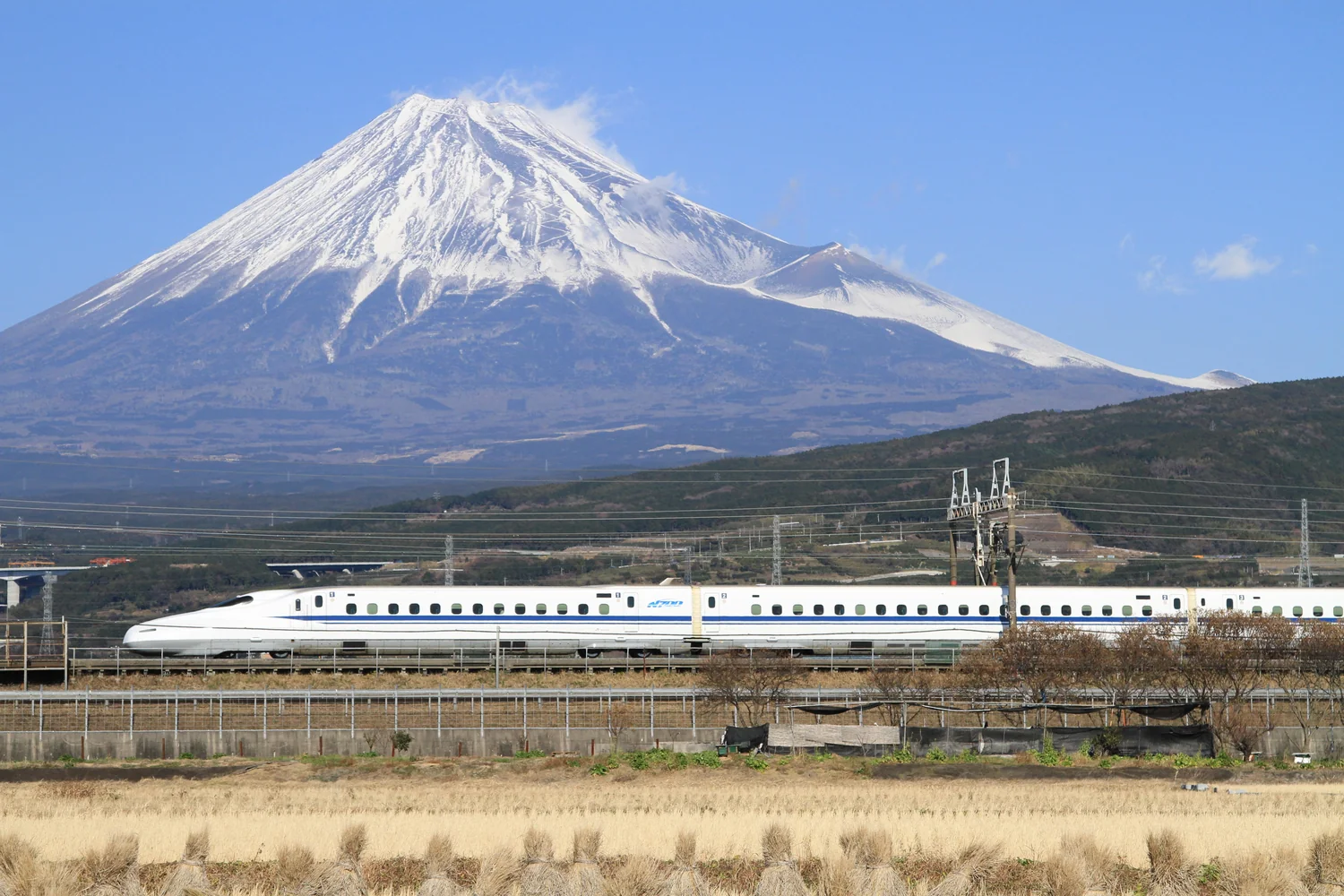
The line opened between Tokyo and Shin-Osaka. Today its fastest operating speed is up to 177 mph (285 km/h).
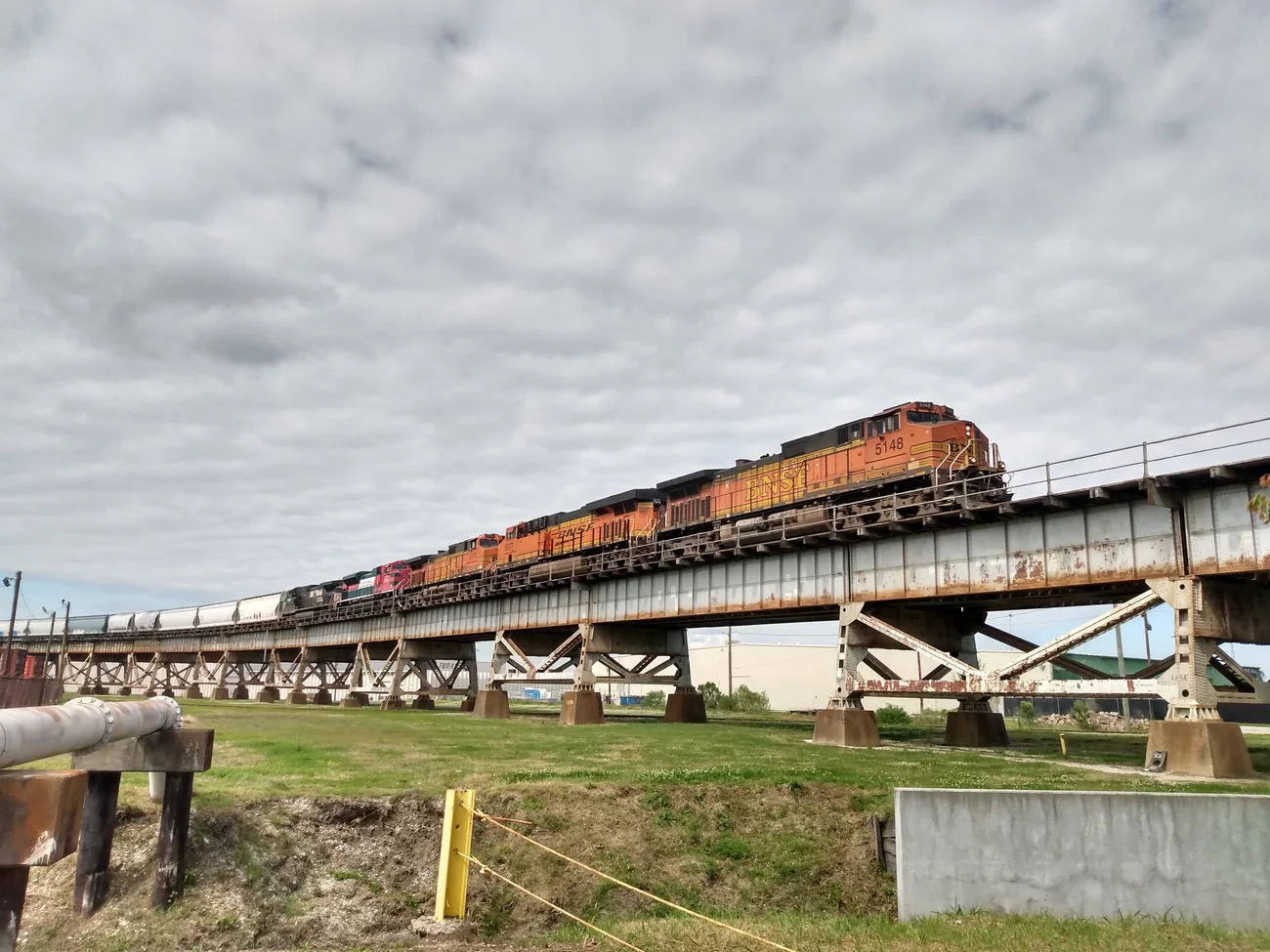
The Illinois Railway Museum’s BNSF 9400 dates to 1993. Its diesel engine supplies power for six electric traction motors.
JR Central’s superconducting maglev reached 375 mph (603 km/h) in a test. Magnets lift and propel it rather than driving wheels along rails at that speed.
02 / Wheel lab
Engine and tender together: 132 feet, 9⅞ inches. That’s almost 133 feet. Its two sets of driving wheels pull the train; the smaller wheels guide and support the engine. The tender’s wheels are not counted in the engine’s 4–8–8–4 numbers.
16. Count eight gold wheels on this side and eight on the other. Or add the middle numbers: 8 + 8.
03 / Power room
04 / Speed board
These bars compare speed on the same 0–400 mph scale, but each number answers a different question.
The Shinkansen is the one in regular passenger service. Its 177 mph is the route’s operating maximum, not an average speed or a promise for every train.
05 / Local tracks
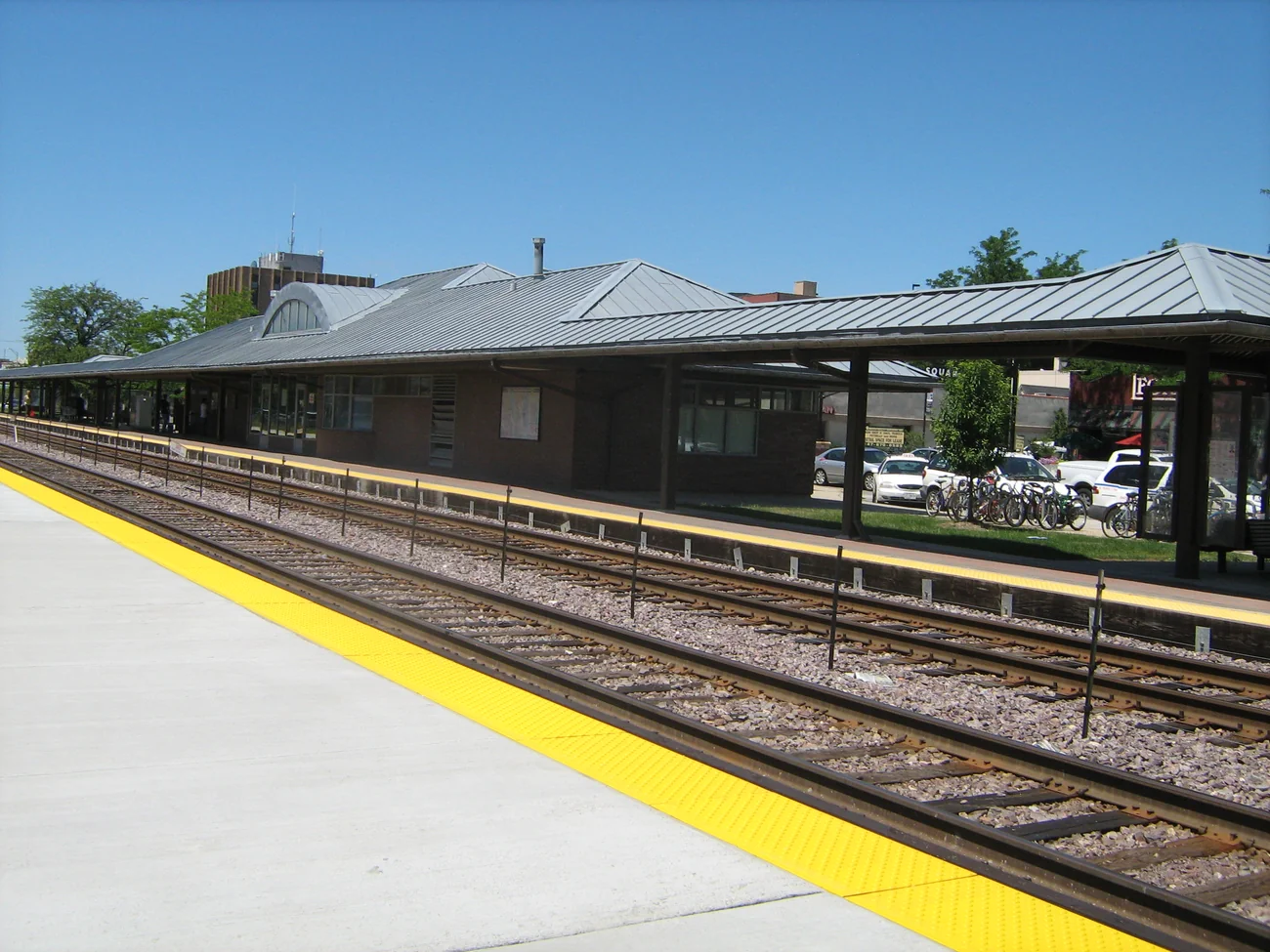
Des Plaines is a stop on Metra’s Union Pacific Northwest line. On the next trip, try to spot the platform signs, the signals, and where one track branches away. Look from the public platform or another safe spot, never from the tracks.
Try switching trains in the game →